test title of a single post


Just another WordPress site

Imagine waking up to the rich, aromatic scent of freshly brewed coffee wafting through your home. It’s a ritual that millions of people around the world cherish, a moment of tranquility before the hustle and bustle of the day begins. But have you ever wondered why coffee holds such a special place in our hearts and routines?
Coffee is more than just a beverage; it’s a cultural phenomenon. From the bustling cafes of Paris to the cozy coffee shops in your neighborhood, coffee has a way of bringing people together. It’s a catalyst for conversation, creativity, and connection. Whether you’re meeting a friend for a chat or brainstorming your next big project, coffee often plays a starring role.
At its core, coffee is a complex blend of chemistry and artistry. The journey from bean to cup involves a meticulous process that transforms raw coffee cherries into the delicious drink we know and love. This process includes harvesting, roasting, grinding, and brewing, each step contributing to the final flavor profile.
Did you know that coffee contains over 1,000 different compounds that contribute to its flavor and aroma? According to a study published in the Journal of Agricultural and Food Chemistry, these compounds interact in unique ways to create the diverse range of flavors found in different coffee varieties. This complexity is what makes coffee tasting, or cupping, such an intricate and rewarding experience. For more insights, check out this article on coffee chemistry.
Beyond its sensory appeal, coffee has a profound impact on our productivity and mental alertness. The caffeine in coffee acts as a natural stimulant, enhancing cognitive function and helping us stay focused. A study by the National Institutes of Health found that moderate coffee consumption can improve attention, memory, and overall cognitive performance.
For professionals, coffee is often an essential part of the workday. It fuels creativity, sharpens focus, and provides a much-needed energy boost during long meetings or tight deadlines. It’s no wonder that coffee breaks have become a staple in office culture worldwide. For more on how coffee can boost your productivity, read this Healthline article.
In conclusion, coffee is much more than a simple drink. It’s a daily ritual, a social connector, and a productivity enhancer. The next time you savor a cup of coffee, take a moment to appreciate the journey it has taken to reach you and the myriad ways it enriches your life.
Curious to learn more about the fascinating world of coffee? Explore additional resources and dive deeper into the science, culture, and art of coffee. Who knows, you might just discover a new favorite brew or a unique brewing method that transforms your coffee experience.

New York City is a treasure trove of cultural experiences, and its museums are at the very heart of this vibrant tapestry. Imagine walking through halls filled with masterpieces from every corner of the globe, each piece telling a story that transcends time and space. Whether you’re a history buff, an art lover, or simply curious, NYC’s museums offer a journey through human creativity and ingenuity.
Have you ever wondered what it feels like to stand in front of Van Gogh’s ‘Starry Night’ or to explore the ancient artifacts of Egypt? NYC’s museums provide these experiences and more, making them a must-visit for anyone looking to immerse themselves in the rich cultural heritage of the city. Let’s dive into some of the most iconic museums that make New York City a cultural mecca.
The Metropolitan Museum of Art, commonly known as The Met, is one of the largest and most prestigious art museums in the world. With over two million works of art spanning 5,000 years, The Met offers an unparalleled glimpse into the history of human creativity. From ancient Egyptian artifacts to modern American paintings, the museum’s vast collection is a testament to the diversity and richness of global cultures.
One of the highlights of The Met is its extensive collection of European paintings, featuring works by masters such as Rembrandt, Vermeer, and Van Gogh. The museum also boasts an impressive array of sculptures, textiles, and decorative arts from various cultures. For more information about The Met and its collections, visit their official website.
Located on the Upper West Side of Manhattan, the American Museum of Natural History is a haven for science enthusiasts and curious minds. The museum’s exhibits cover a wide range of topics, from the origins of the universe to the diversity of life on Earth. One of the most popular attractions is the dinosaur hall, where visitors can marvel at the skeletons of these ancient giants.
In addition to its permanent exhibits, the museum hosts a variety of temporary exhibitions and educational programs that delve into the latest scientific discoveries. The Hayden Planetarium, part of the museum, offers breathtaking shows that explore the wonders of the cosmos. To learn more about the American Museum of Natural History, check out their website.
The Museum of Modern Art (MoMA) is a beacon of contemporary art and design, showcasing works from the late 19th century to the present day. Located in Midtown Manhattan, MoMA’s collection includes iconic pieces by artists such as Picasso, Warhol, and Pollock. The museum’s innovative exhibitions and programs highlight the ever-evolving nature of modern art.
MoMA is also known for its extensive collection of film, photography, and design, making it a hub for creative expression in various forms. The museum’s commitment to education and public engagement is evident in its numerous workshops, lectures, and special events. For more details about MoMA and its offerings, visit their official site.
New York City’s museums are more than just repositories of art and artifacts; they are gateways to understanding our world and ourselves. Each visit offers a new perspective, a deeper appreciation for the diversity of human expression, and a chance to connect with the past and the present. Whether you’re a local or a visitor, make it a point to explore these cultural gems and discover the stories they hold.
As you plan your next museum visit, consider the wealth of resources available online to enhance your experience. Many museums offer virtual tours, educational materials, and interactive exhibits that can provide a deeper understanding of their collections. Dive into the cultural riches of NYC and let the city’s museums inspire your journey of discovery.
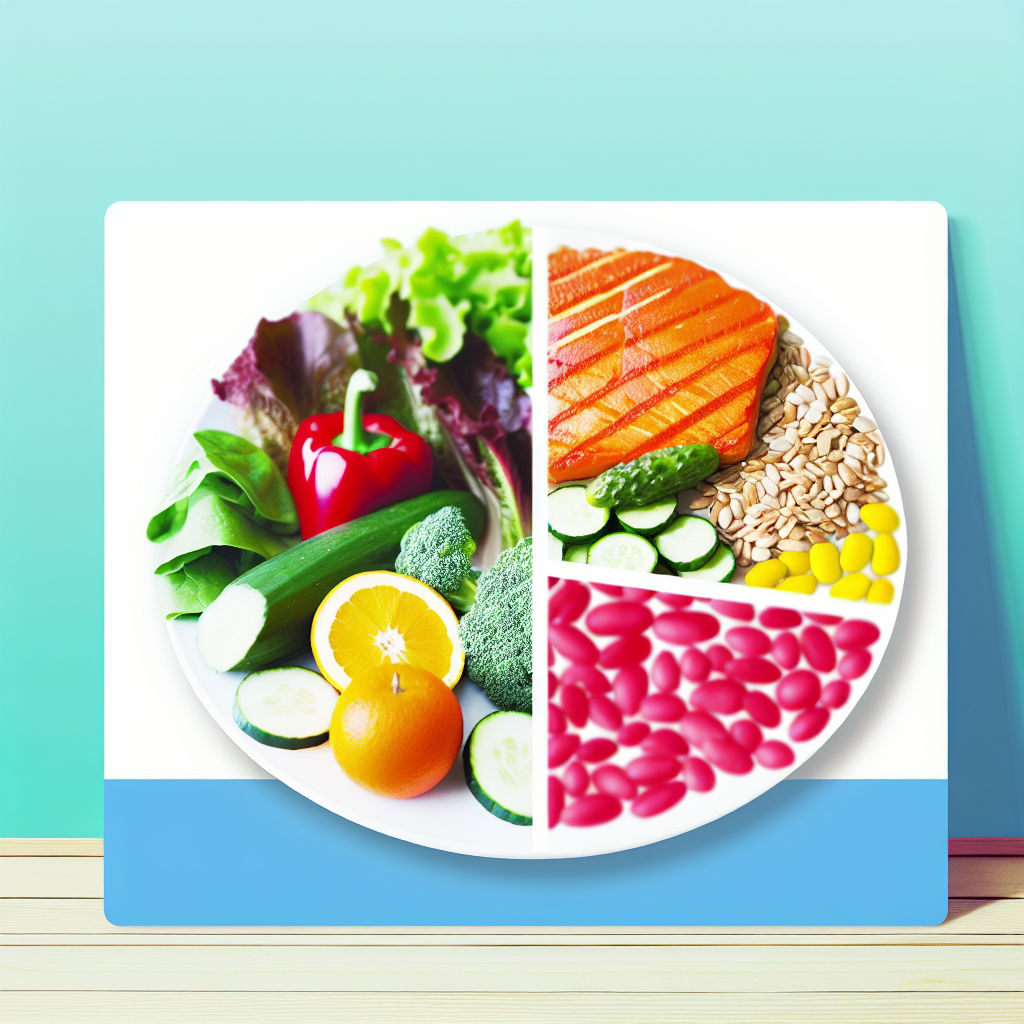
Imagine waking up every morning feeling energized, focused, and ready to conquer the day. What if the secret to this vitality lies not in a magic pill but in the food you consume? Nutritional balance is more than just a buzzword; it’s a lifestyle that can transform your health and well-being. But how do we achieve this elusive balance in a world filled with dietary fads and conflicting advice?
Consider the story of Sarah, a busy professional who struggled with fatigue and frequent illnesses. After consulting with a nutritionist, she discovered that her diet lacked essential nutrients. By making informed choices and balancing her meals, Sarah experienced a remarkable improvement in her energy levels and overall health. Her journey underscores the importance of understanding nutritional balance and its profound impact on our lives.
Nutritional balance refers to the proper intake of essential nutrients—carbohydrates, proteins, fats, vitamins, and minerals—in the right proportions. It’s about creating a harmonious diet that supports your body’s needs without overindulgence or deficiency. But achieving this balance can be challenging, especially with the plethora of dietary information available.
For instance, consider the role of macronutrients. Carbohydrates provide energy, proteins support muscle repair and growth, and fats are crucial for brain health. A balanced diet ensures that you get the right mix of these macronutrients. According to a study published in the Journal of Nutrition, individuals who maintain a balanced intake of macronutrients are less likely to suffer from chronic diseases such as diabetes and heart disease (Journal of Nutrition).
So, how can you achieve nutritional balance in your daily life? Here are some practical tips:
By following these tips, you can create a balanced diet that supports your health and well-being.
Understanding and achieving nutritional balance is a journey that requires mindfulness and dedication. It’s about making informed choices that nourish your body and support your overall health. As you embark on this journey, remember that small, consistent changes can lead to significant improvements in your well-being.
Are you ready to take the first step towards nutritional balance? Explore more resources and start your journey today. Your body will thank you!
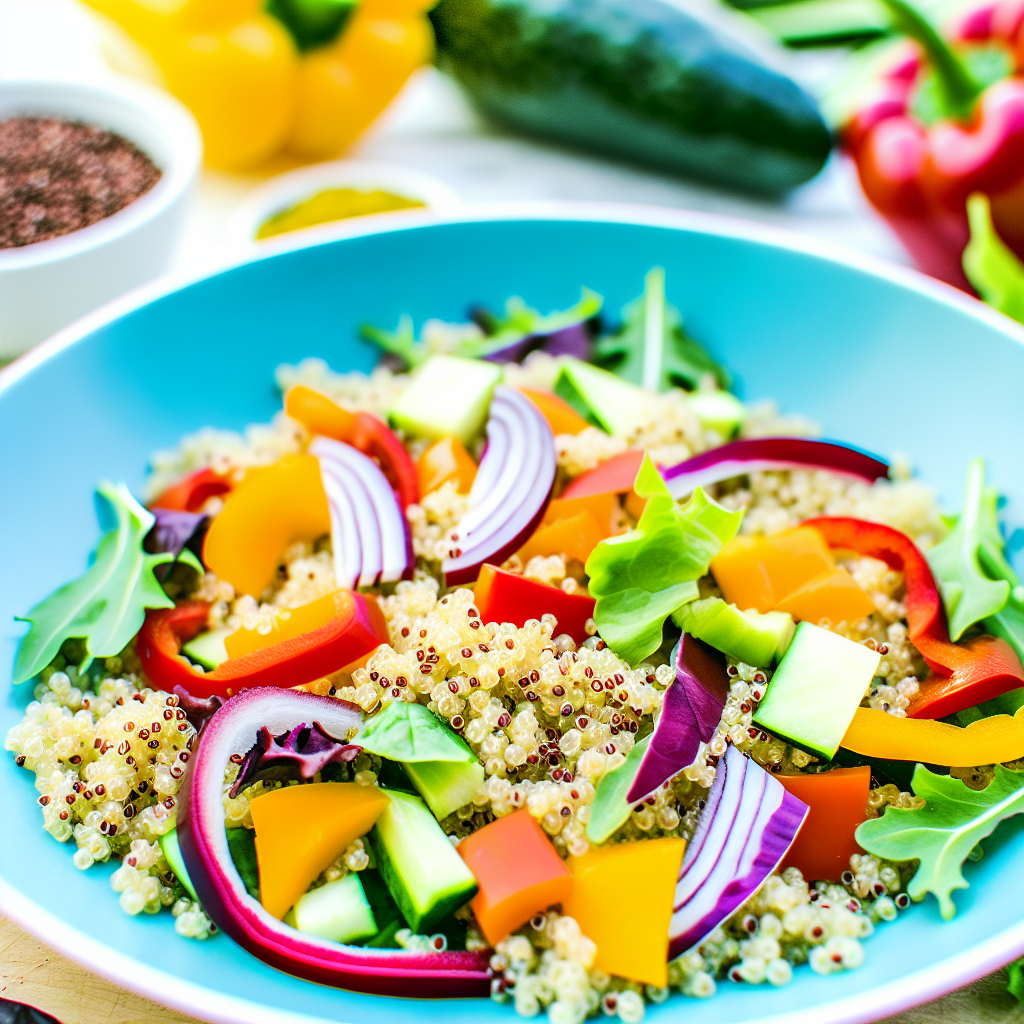
Imagine coming home after a long day, and instead of reaching for a quick, unhealthy snack, you whip up a delicious, nutritious meal that leaves you feeling energized and satisfied. The joy of healthy cooking is not just about the food itself but the entire experience of creating something wholesome and delightful. It’s a journey that starts with selecting fresh ingredients and ends with the satisfaction of a well-prepared dish.
Healthy recipes are more than just a trend; they are a lifestyle choice that can transform your well-being. Whether you’re a seasoned chef or a kitchen novice, there’s something incredibly rewarding about discovering new recipes that not only taste great but also nourish your body. So, why not share your favorite healthy recipes and inspire others to embark on this culinary adventure?
Sharing your favorite healthy recipes can have a profound impact on your community. It fosters a sense of connection and encourages others to explore new culinary horizons. When you share a recipe, you’re not just passing along a list of ingredients and instructions; you’re sharing a piece of your lifestyle and values. This act of sharing can inspire others to make healthier choices and discover the joy of cooking.
Consider the ripple effect of sharing a simple, healthy recipe. A friend tries it, loves it, and then shares it with their family. Soon, more people are enjoying nutritious meals, and the collective health of your community improves. It’s a powerful way to contribute to the well-being of those around you. For more insights on the benefits of healthy eating, check out this Healthline article.
Here are a few ideas to get you started on sharing your favorite healthy recipes:
These recipes are just the beginning. The possibilities are endless, and the more you share, the more you’ll inspire others to embrace healthy eating. For additional recipe ideas, visit EatingWell.
As we conclude, remember that sharing your favorite healthy recipes is more than just a fun activity; it’s a way to make a positive impact on the lives of others. By encouraging healthy eating habits, you’re contributing to a healthier, happier community. So, don’t hesitate to share your culinary creations and inspire others to join the healthy cooking movement.
We’d love to hear from you! Share your favorite healthy recipes in the comments below and let’s create a vibrant community of health-conscious food enthusiasts. Together, we can make healthy eating a delicious and enjoyable part of everyday life.

Imagine starting your week with a clear plan for every meal, knowing exactly what you’ll eat and when. No more last-minute scrambles or unhealthy takeout choices. This vision can become your reality with the art of meal prepping. Meal prep isn’t just a trend; it’s a lifestyle change that can save you time, money, and stress. Whether you’re a busy professional, a parent juggling multiple responsibilities, or someone looking to maintain a healthy diet, meal prepping can be a game-changer.
But where do you start? The idea of planning and preparing meals for an entire week can seem daunting. However, with the right strategies and a bit of practice, you’ll find it’s easier than you think. Let’s dive into some practical tips to help you master the art of meal prep.
Start with a Menu: Begin by deciding what you want to eat for the week. Consider your dietary needs, preferences, and any upcoming events that might affect your meal choices. Write down a menu that includes breakfast, lunch, dinner, and snacks. This step is crucial as it sets the foundation for your entire meal prep process.
Make a Shopping List: Once you have your menu, create a detailed shopping list. Group items by category (e.g., produce, dairy, grains) to make your grocery trip more efficient. Stick to your list to avoid impulse buys and ensure you have everything you need for the week.
Batch Cooking: One of the most effective meal prep strategies is batch cooking. Prepare large quantities of staple foods like grains, proteins, and vegetables that can be mixed and matched throughout the week. For example, cook a big pot of quinoa, roast a tray of vegetables, and grill several chicken breasts. Store these items in separate containers to keep them fresh and versatile.
Portion Control: Invest in a set of quality containers to store your prepped meals. Portion out your meals according to your dietary needs and goals. This not only helps with portion control but also makes it easy to grab a meal on the go. Label each container with the meal and date to keep track of freshness.
Set Aside Time: Dedicate a specific time each week for meal prep. Treat it like an important appointment that you can’t miss. Consistency is key to making meal prep a habit. Whether it’s Sunday afternoon or a weekday evening, find a time that works for you and stick to it.
Mix It Up: Avoid meal prep monotony by varying your recipes and ingredients. Experiment with different cuisines, spices, and cooking methods. This keeps your meals exciting and prevents you from getting bored with your food.
Meal prepping is more than just a time-saving hack; it’s a commitment to a healthier, more organized lifestyle. By planning your meals, preparing them in advance, and staying consistent, you’ll find yourself with more time, less stress, and better nutrition. Ready to get started? Check out these additional resources for meal prep inspiration and tips: The Beginner’s Guide to Meal Prepping and Healthy Meal Prep Ideas.
Remember, the journey to mastering meal prep is a marathon, not a sprint. Take it one step at a time, and soon you’ll wonder how you ever managed without it.
Imagine coming home after a long day, feeling both hungry and tired. You want something quick, delicious, and healthy. What’s the first meal that comes to your mind? For many, the answer varies widely, from a colorful salad to a hearty quinoa bowl. But what makes a meal truly satisfying and healthy? Let’s dive into the world of nutritious eating and discover the favorites among our community.
Healthy eating is more than just a trend; it’s a lifestyle choice that impacts our well-being and energy levels. With countless options available, from plant-based dishes to protein-packed meals, the possibilities are endless. But we want to hear from you! What’s your favorite healthy meal that you turn to time and again?
Healthy meals are not just about cutting calories; they are about nourishing your body with the right nutrients. For instance, a study by Harvard Health highlights the benefits of incorporating a variety of vegetables, lean proteins, and whole grains into your diet. These components can help reduce the risk of chronic diseases and improve overall health.
Consider a simple yet delicious meal like a grilled chicken salad. Packed with lean protein, fiber-rich greens, and a variety of colorful vegetables, it’s a perfect example of a balanced meal. Or perhaps you prefer a vegetarian option like a quinoa and black bean bowl, which offers a great source of plant-based protein and essential amino acids.
Now, we want to hear from you! Share your favorite healthy meal in the comments below. Whether it’s a family recipe passed down through generations or a new discovery that you can’t get enough of, your input can inspire others to try something new and delicious.
Not sure where to start? Check out this list of healthy dinner recipes for some inspiration. And don’t forget to explore our other posts on nutritious eating and wellness tips.
Healthy eating is a journey, and sharing our favorite meals can make it even more enjoyable. By exchanging ideas and recipes, we can build a community that supports and motivates each other towards better health. So, what’s your go-to healthy meal? Let’s start a conversation and inspire each other to make nutritious choices every day.
Remember, your favorite meal might just become someone else’s new favorite. Happy eating!

Imagine waking up to the rich, aromatic scent of freshly brewed coffee wafting through your home. It’s a ritual that millions of people around the world cherish, a moment of tranquility before the hustle and bustle of the day begins. But have you ever wondered why coffee holds such a special place in our hearts and routines?
Coffee is more than just a beverage; it’s a cultural phenomenon. From the bustling cafes of Paris to the cozy coffee shops in your neighborhood, coffee has a way of bringing people together. It’s a catalyst for conversation, creativity, and connection. Whether you’re meeting a friend for a chat or brainstorming your next big project, coffee often plays a starring role.
At its core, coffee is a complex blend of chemistry and artistry. The journey from bean to cup involves a meticulous process that transforms raw coffee cherries into the delicious drink we know and love. This process includes harvesting, roasting, grinding, and brewing, each step contributing to the final flavor profile.
Did you know that coffee contains over 1,000 different compounds that contribute to its flavor and aroma? According to a study published in the Journal of Agricultural and Food Chemistry, these compounds interact in unique ways to create the diverse range of flavors found in different coffee varieties. This complexity is what makes coffee tasting, or cupping, such an intricate and rewarding experience. For more insights, check out this article on coffee chemistry.
Beyond its sensory appeal, coffee has a profound impact on our productivity and mental alertness. The caffeine in coffee acts as a natural stimulant, enhancing cognitive function and helping us stay focused. A study by the National Institutes of Health found that moderate coffee consumption can improve attention, memory, and overall cognitive performance.
For professionals, coffee is often an essential part of the workday. It fuels creativity, sharpens focus, and provides a much-needed energy boost during long meetings or tight deadlines. It’s no wonder that coffee breaks have become a staple in office culture worldwide. For more on how coffee can boost your productivity, read this Healthline article.
In conclusion, coffee is much more than a simple drink. It’s a daily ritual, a social connector, and a productivity enhancer. The next time you savor a cup of coffee, take a moment to appreciate the journey it has taken to reach you and the myriad ways it enriches your life.
Curious to learn more about the fascinating world of coffee? Explore additional resources and dive deeper into the science, culture, and art of coffee. Who knows, you might just discover a new favorite brew or a unique brewing method that transforms your coffee experience.

Imagine waking up to the rich, aromatic scent of freshly brewed coffee wafting through your home. It’s a ritual that millions of people around the world cherish, a moment of tranquility before the hustle and bustle of the day begins. But have you ever wondered why coffee holds such a special place in our hearts and routines?
Coffee is more than just a beverage; it’s a cultural phenomenon. From the bustling cafes of Paris to the cozy coffee shops in your neighborhood, coffee has a way of bringing people together. It’s a catalyst for conversation, creativity, and connection. Whether you’re meeting a friend for a chat or brainstorming your next big project, coffee often plays a starring role.
At its core, coffee is a complex blend of chemistry and artistry. The journey from bean to cup involves a meticulous process that transforms raw coffee cherries into the delicious drink we know and love. This process includes harvesting, roasting, grinding, and brewing, each step contributing to the final flavor profile.
Did you know that coffee contains over 1,000 different compounds that contribute to its flavor and aroma? According to a study published in the Journal of Agricultural and Food Chemistry, these compounds interact in unique ways to create the diverse range of flavors found in different coffee varieties. This complexity is what makes coffee tasting, or cupping, such an intricate and rewarding experience. For more insights, check out this article on coffee chemistry.
Beyond its sensory appeal, coffee has a profound impact on our productivity and mental alertness. The caffeine in coffee acts as a natural stimulant, enhancing cognitive function and helping us stay focused. A study by the National Institutes of Health found that moderate coffee consumption can improve attention, memory, and overall cognitive performance.
For professionals, coffee is often an essential part of the workday. It fuels creativity, sharpens focus, and provides a much-needed energy boost during long meetings or tight deadlines. It’s no wonder that coffee breaks have become a staple in office culture worldwide. For more on how coffee can boost your productivity, read this Healthline article.
In conclusion, coffee is much more than a simple drink. It’s a daily ritual, a social connector, and a productivity enhancer. The next time you savor a cup of coffee, take a moment to appreciate the journey it has taken to reach you and the myriad ways it enriches your life.
Curious to learn more about the fascinating world of coffee? Explore additional resources and dive deeper into the science, culture, and art of coffee. Who knows, you might just discover a new favorite brew or a unique brewing method that transforms your coffee experience.

Imagine coming home after a long, exhausting day, only to be greeted by a wagging tail and a pair of eyes that light up at the very sight of you. This is the magic that dogs bring into our lives. They are not just pets; they are family, confidants, and sometimes even our therapists. The bond between humans and dogs is ancient, dating back thousands of years when early humans first domesticated wolves. This relationship has evolved into a unique companionship that is both heartwarming and fascinating.
But what makes this bond so special? Is it the unconditional love that dogs offer, or is it something deeper, rooted in our very biology? Studies have shown that interacting with dogs can release oxytocin, the ‘love hormone,’ in both humans and dogs. This chemical reaction not only strengthens our bond but also has numerous health benefits, including reduced stress and anxiety levels. It’s no wonder that dogs are often referred to as ‘man’s best friend.’
Dogs serve various roles in our lives, far beyond being mere companions. They are service animals, helping people with disabilities lead more independent lives. They are therapy dogs, providing emotional support to those in hospitals, nursing homes, and even disaster areas. According to the American Kennel Club, there are over 500,000 service dogs in the United States alone, each trained to perform specific tasks that significantly improve the quality of life for their handlers.
Moreover, dogs have an incredible ability to sense human emotions. A study published in the journal ‘Learning & Behavior’ found that dogs can differentiate between happy and angry human facial expressions. This emotional intelligence makes them excellent companions for people struggling with mental health issues. For instance, veterans suffering from PTSD often find solace in the company of a loyal dog, who can sense their distress and offer comfort.
What is it about dogs that make them so attuned to human emotions and needs? The answer lies in their evolutionary history. Dogs have evolved alongside humans for thousands of years, developing a keen sense of understanding human cues and behaviors. This co-evolution has made them highly perceptive and responsive to our needs, whether it’s fetching a ball or providing emotional support during tough times.
Research from the University of Veterinary Medicine in Vienna suggests that dogs have a unique ability to read human body language and vocal tones. This skill allows them to respond appropriately to our emotions, making them not just pets but empathetic companions. Furthermore, the bond between humans and dogs is mutually beneficial. While we gain emotional support and companionship, dogs receive care, love, and a sense of purpose.
In a world that often feels chaotic and unpredictable, the unwavering loyalty and love of a dog can be a grounding force. They teach us valuable lessons about empathy, patience, and unconditional love. Whether you are a dog owner or someone considering bringing a furry friend into your life, the benefits are immeasurable.
So, the next time you see a dog wagging its tail or hear a joyful bark, take a moment to appreciate the incredible bond we share with these amazing creatures. They are not just pets; they are a testament to the power of love and companionship. For more insights into the world of dogs, check out this article by the American Kennel Club.