
The Wonders of Our World
Have you ever stopped to marvel at the sheer diversity and beauty of our world? From the towering peaks of the Himalayas to the vast, arid expanses of the Sahara Desert, our planet is a treasure trove of natural wonders waiting to be explored. But beyond the physical landscapes, there’s a rich tapestry of cultures, languages, and histories that make our world truly unique.
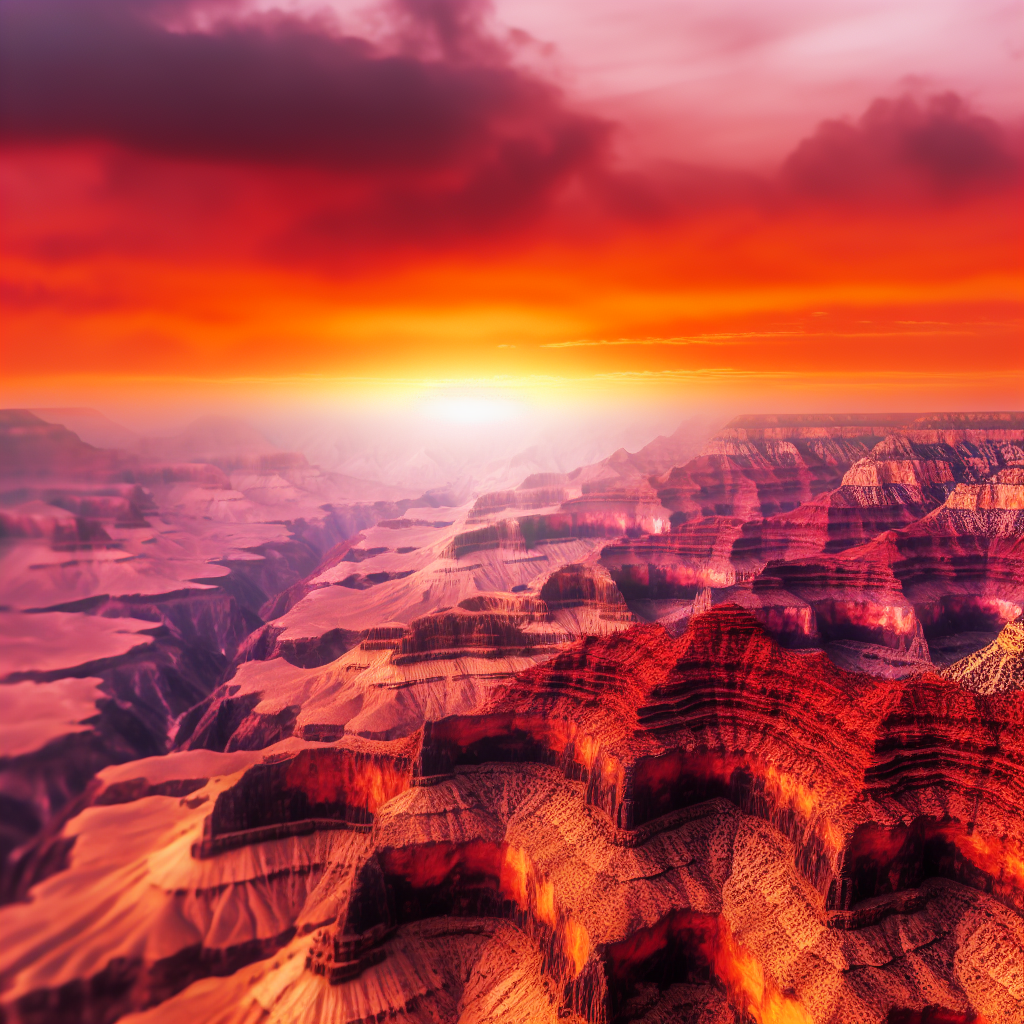
Imagine standing at the edge of the Grand Canyon, feeling the wind rush past as you gaze into the seemingly endless chasm below. Or picture yourself wandering through the bustling streets of Tokyo, where ancient traditions seamlessly blend with cutting-edge technology. These experiences, though vastly different, are all part of the intricate mosaic that makes up our world.
Understanding Global Diversity
Our world is home to over 7,000 languages, each with its own unique structure and cultural significance. For instance, the click languages of Southern Africa, such as Xhosa and Zulu, are fascinating examples of linguistic diversity. These languages use click consonants, which are rare in most other languages, showcasing the incredible adaptability and creativity of human communication.
Moreover, the world’s cultural diversity is equally astounding. Take, for example, the vibrant festivals celebrated across the globe. In India, the festival of Diwali lights up the night with thousands of lamps, symbolizing the victory of light over darkness. Meanwhile, in Brazil, the Rio Carnival dazzles with its colorful parades and samba music, reflecting the country’s rich cultural heritage. These celebrations not only bring communities together but also offer a glimpse into the values and traditions that shape different societies.
Environmental Challenges and Solutions
While our world is undeniably beautiful, it also faces significant environmental challenges. Climate change, deforestation, and pollution are just a few of the issues that threaten the delicate balance of our ecosystems. However, there are numerous initiatives and innovations aimed at addressing these problems. For example, the reforestation efforts in the Amazon rainforest are helping to restore vital habitats and combat climate change.
Additionally, advancements in renewable energy technologies, such as solar and wind power, are paving the way for a more sustainable future. Countries like Germany and Denmark are leading the charge in adopting green energy solutions, demonstrating that it is possible to reduce our carbon footprint while still maintaining economic growth. These efforts highlight the importance of global cooperation and innovation in tackling the environmental challenges we face.
Closing Thoughts
In conclusion, our world is a complex and multifaceted entity, brimming with natural beauty, cultural richness, and environmental challenges. By appreciating and understanding the diversity that exists around us, we can foster a greater sense of connection and responsibility towards our planet. Let us continue to explore, learn, and take action to preserve the wonders of our world for future generations.
For those interested in delving deeper into the topics discussed, consider exploring resources such as National Geographic’s articles on global cultures and the World Wildlife Fund’s reports on environmental conservation. Together, we can make a difference and ensure that our world remains a vibrant and thriving place for all.